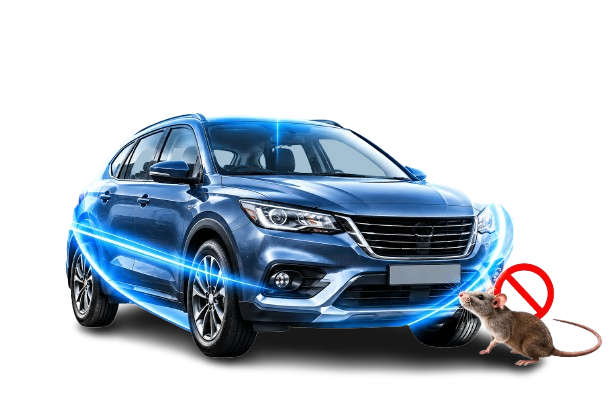
Third-Party Liability
Primarily protects against covered legal liability towards third parties for injury or property damage. It does not include Own Damage protection for your own car.
Get Insurance Guidance & Renew with BimaStreet
Rat or rodent damage can affect your car's wiring, electrical parts and other components. If you suspect damage, BimaStreet can help you understand the next steps, the claim process and your car insurance renewal options.
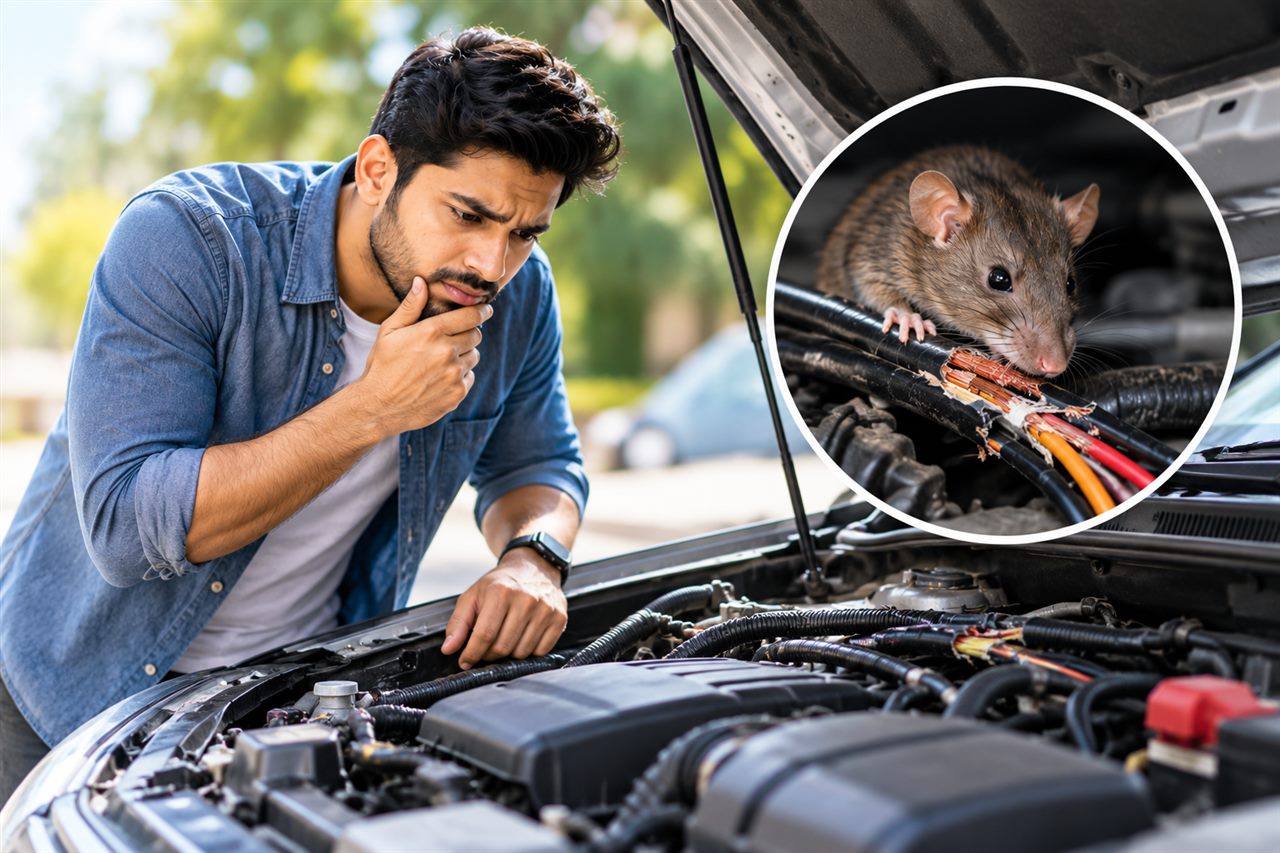
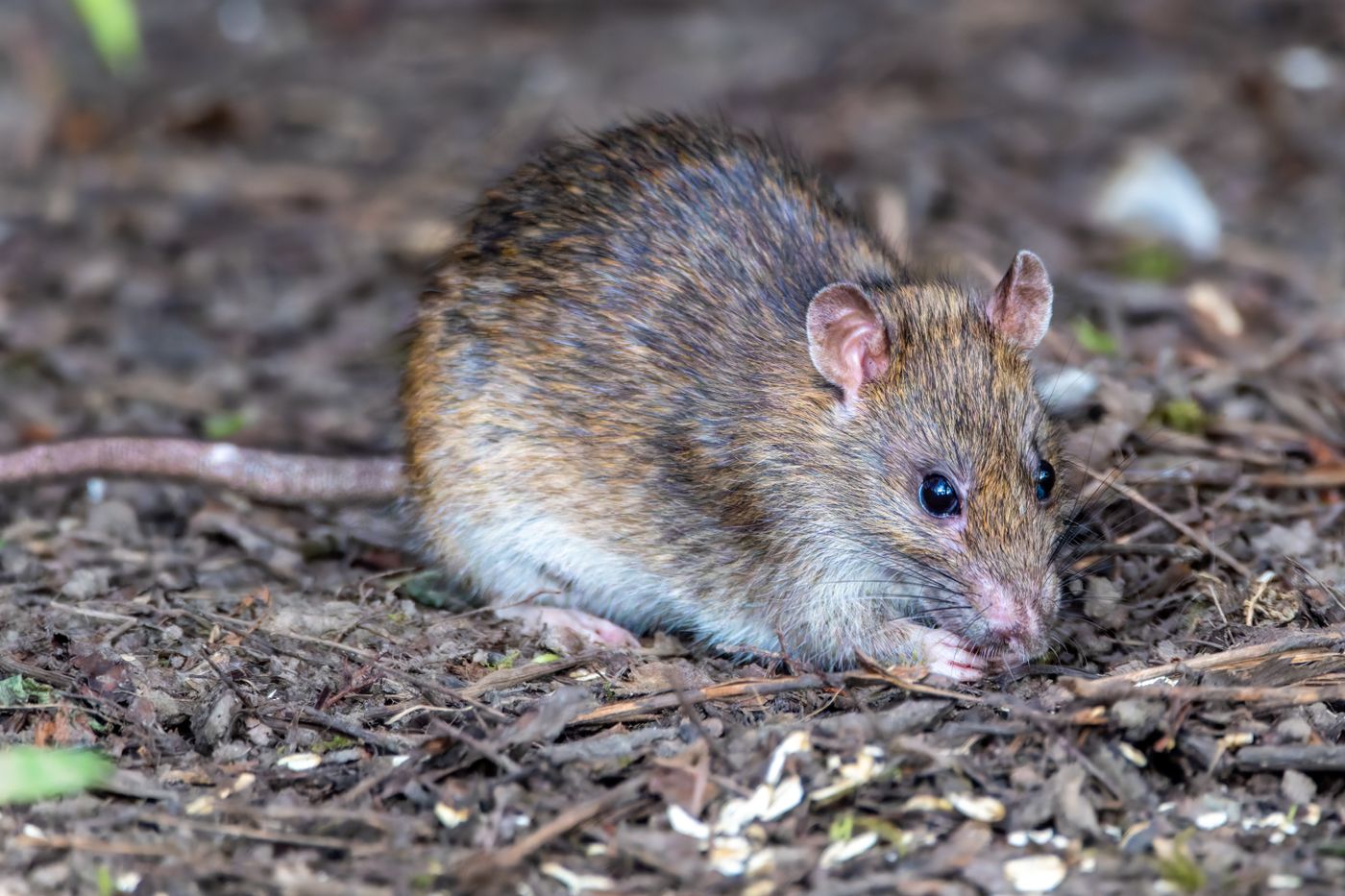 Rodents often chew car wiring in the engine bay
Enter your car number and mobile. We will call you with available options.
Insurance process support in simple language
Compare available options before you decide
Simple digital renewal when your policy ends soon
Rats and mice are always searching for a warm, quiet place to settle down. Your car's engine bay is just that. It is dark, it is sheltered, and it holds heat long after you switch the car off.
Once a rodent moves in, it starts chewing. The wire covers in your car are soft and easy to tear, so they are usually the first thing to go.
Most car owners realise something is wrong only when the car starts behaving strangely. Here is what to look for:
Spotted more than one of these signs? Do not drive the car if it does not feel safe. Have a mechanic inspect it first, then inform your insurer.
Rat bite or rodent damage should not be assumed to be covered simply because a vehicle has car insurance. The answer depends on your policy.
Your policy type, whether it includes Own Damage cover, the policy wording, listed exclusions, the deductible that applies, the circumstances of loss and the insurer's assessment of the claim.
A Third-Party Liability policy mainly covers covered legal liability towards other people. It does not give Own Damage protection for your own car, so it is not the cover you would look at for repair of your vehicle.
Protects against covered legal liability towards third parties. It is compulsory cover. It is not built to repair damage to your own vehicle.
Adds protection for your own vehicle against covered risks. Whether a rat bite loss fits depends on the policy wording and the insurer's assessment.
Please note: Coverage is subject to the applicable policy wording, terms, conditions, exclusions, deductibles and insurer assessment.
Each type works differently. Check which one you hold before you call your insurer.
Primarily protects against covered legal liability towards third parties for injury or property damage. It does not include Own Damage protection for your own car.
Combines Third-Party Liability protection with Own Damage protection, subject to policy terms. This is the cover most car owners check when a rat bites through wiring.
Provides Own Damage protection for covered risks, subject to the policy conditions. It is usually bought along with a Third-Party policy.
Always check the policy wording and applicable exclusions before making a claim.
Do these six things in order. They protect your claim and your car.
Open the bonnet in daylight and look for chewed wires, bite marks and nesting material.
Take clear photos of the wiring, the engine bay and the full car. Keep the date on.
Inform your insurer quickly and note the claim reference number they give you.
Policy paper, RC, driving licence and your photos. Keep them in one folder.
The insurer may inspect the car or send a surveyor. Be present and answer clearly.
Use the insurer's prescribed repair process and workshop so the claim can move ahead.
Six stages. The timeline depends on the insurer and the facts of the loss.
Inform the insurer about the damage.
Provide photographs and relevant vehicle and policy documents.
The insurer may inspect or arrange a survey of the vehicle.
The reported loss is assessed against applicable policy terms.
Proceed according to the insurer's prescribed repair process.
The insurer processes the eligible claim according to the policy.
The final claim decision belongs to the insurer. BimaStreet can provide guidance and claims consultancy assistance where applicable.
Keep these ready before you call. It saves time later.
Document requirements can vary by insurer and claim. Not every document is needed for every claim.
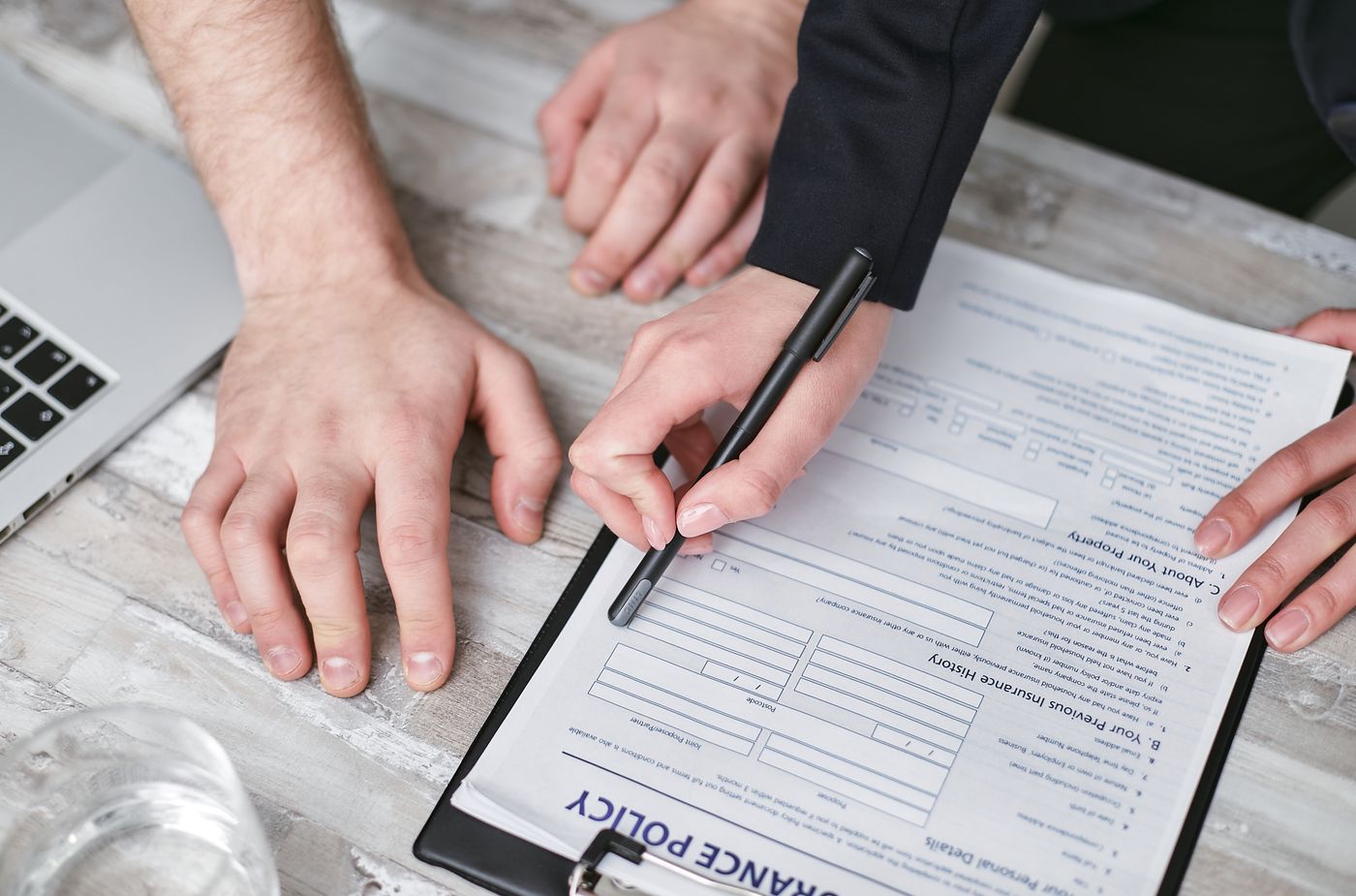
A small bite can cause a big bill. Modern cars run on electronics, so one chewed wire can affect many parts of the car.
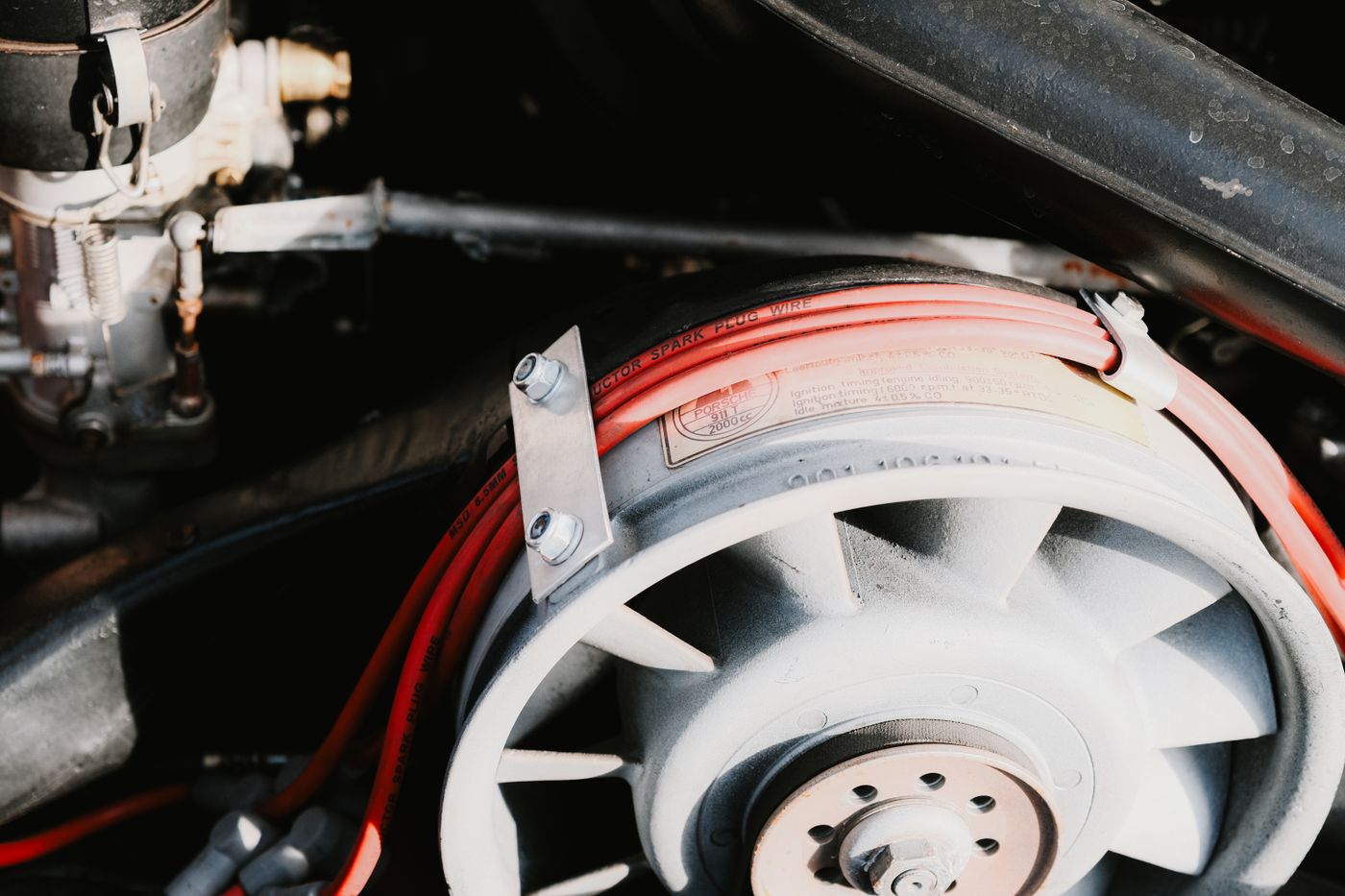
Chewed insulation causes shorts. Lights, windows and locks can stop working.
Wires to sensors are thin. Damage here can give wrong readings to the ECU.
Check engine and other dashboard lights may stay on without an easy reason.
The car may not crank, or it may stall in the middle of a drive.
A full harness replacement costs more than a single wire repair.
Bare wires touching can heat up. In rare cases this can cause burning or fire.
Chewed coolant hoses lead to leakage and engine overheating.
Stored material near terminals can drain the battery and cause corrosion.
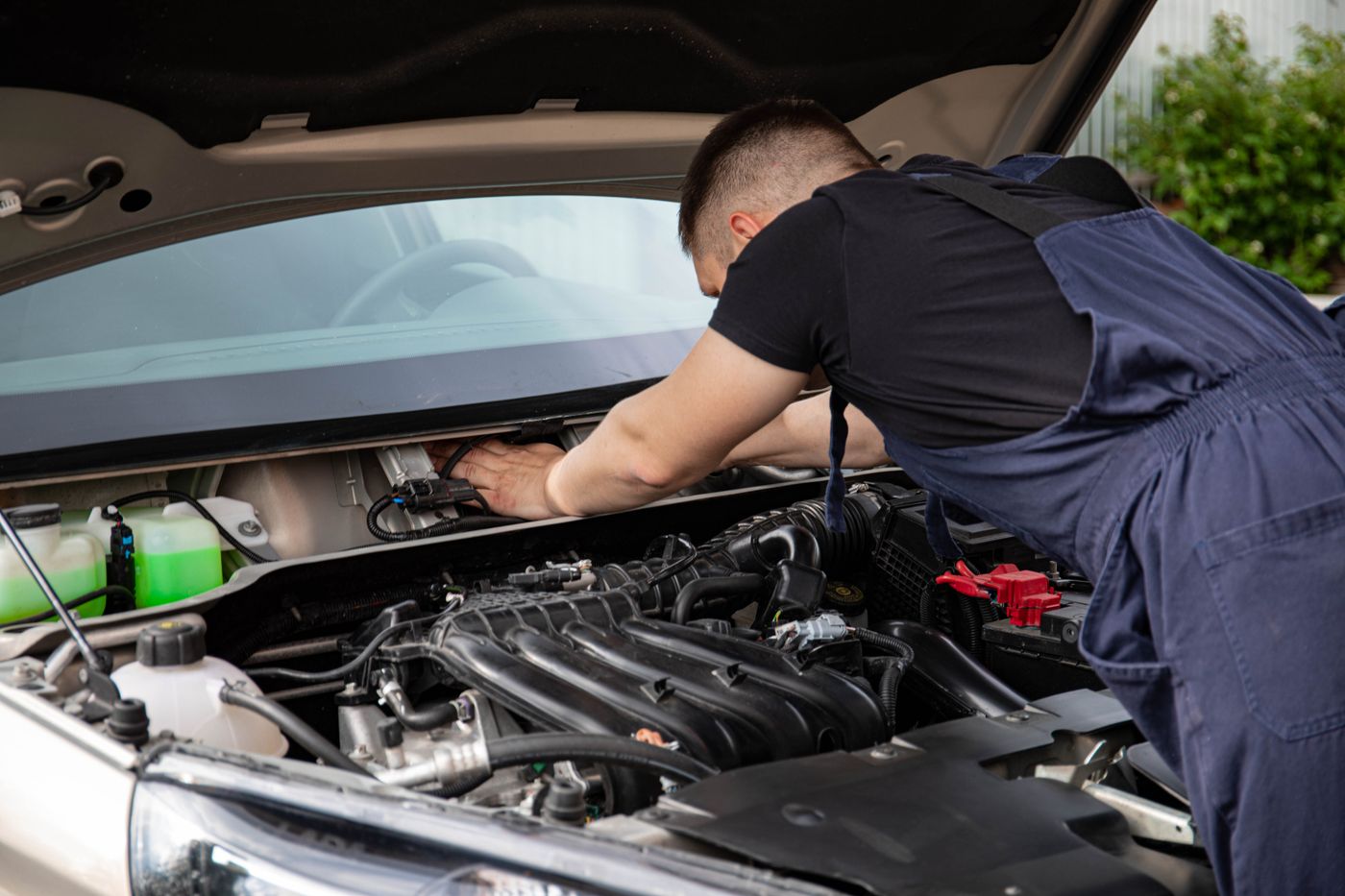
A qualified technician should inspect the vehicle. Do not keep driving a car with suspected wiring damage.
Three cover types. Know which one you hold, and what it actually protects.
Legally required. Covers covered liability to other people. No Own Damage cover for your own car.
Third-Party plus Own Damage protection for covered risks, as per the policy wordings.
Own Damage protection only, bought separately. Always read its inclusions and exclusions.
The important question is not only whether you have car insurance. It is whether your specific policy provides applicable protection for the reported loss.
Open your policy document and check the wordings section. Look for Own Damage cover, exclusions and the deductible that applies.
An expired policy leaves you without cover. It also makes every future claim harder to deal with. Review your policy a few weeks before the expiry date instead of on the last day.
When you sit down to renew, check these points one by one:
Renewal is subject to insurer terms and underwriting. Renewing does not guarantee that a future claim will be paid.
Enter your car number to check renewal options available for your vehicle.
Premium is only one part of the decision. These six points matter more.
Insured Declared Value is what your car is insured for. A very low IDV reduces the amount you may receive.
Know what amount may apply as per the policy. A lower premium can come with a higher deductible.
Review optional covers based on your needs. Do not buy add-ons you will never use.
Know what your policy does not cover. This is where most claim disputes start.
Compare the premium with the protection provided. The cheapest plan is not always the best value.
Review the insurer, service options and policy terms before you renew.
We explain the process, compare options and stay with you through the paperwork.
Guidance on the insurance claim process where applicable, at no cost to you.
Explore available options from multiple insurers before you choose.
Understand important policy terms in simpler language, without the jargon.
Review and renew car insurance through a simple digital process.
Good to know: BimaStreet does not decide claims and does not guarantee settlement. The insurer makes the claim decision. We help you understand and follow the process.
Damage to your car is stressful enough. You should not have to guess what happens next.
Explore available insurance options from different insurers.
Make sense of important policy details before you act.
Receive guidance through the insurance process, step by step.
Tell us what happened. Our team will call you and explain the claim steps for your policy.
Short answers to the questions car owners ask us most often.
Coverage depends on the applicable policy, coverage, exclusions, deductibles and insurer assessment. Rat or rodent damage is not automatically covered under every motor insurance policy.
You can report the damage to your insurer. Whether the loss is payable depends on the applicable policy and assessment.
Third-Party Liability insurance primarily covers covered legal liability towards third parties. It does not provide the same Own Damage protection for your own vehicle.
A Comprehensive or Package policy includes Own Damage protection, but the particular loss remains subject to policy terms, conditions, exclusions and assessment.
Photograph the damage, avoid unnecessary driving if there may be an electrical or safety issue, contact the insurer and follow its claim instructions.
Rodents can damage wiring, hoses and components around the engine compartment. A qualified technician should inspect the vehicle before you drive it again.
Requirements vary. They may include the policy document, RC, driving licence, photographs and repair-related documents.
NCB treatment depends on the policy and claim circumstances. Check the applicable policy before making a claim.
Renewal remains subject to applicable insurer terms and underwriting. A claim does not stop you from renewing, but it may affect your No Claim Bonus.
Customers can generally explore other insurers at renewal, subject to applicable rules and documentation.
Not necessarily. Claim treatment depends on the facts of the loss and the applicable policy wording.
BimaStreet can provide claims consultancy and guidance where applicable, but the insurer makes the claim assessment and settlement decision.
Check your policy, document the damage and understand your next steps. BimaStreet can help you navigate the insurance process and explore car insurance renewal options.
Disclaimer Insurance is the subject matter of solicitation. Coverage, benefits, exclusions, deductibles, terms and conditions are as specified in the policy issued by the respective insurer. Rat or rodent damage is not automatically covered under every motor insurance policy. Claim admission and settlement are subject to the applicable policy terms, conditions, exclusions, documents, survey/assessment and the insurer's decision. BimaStreet provides insurance distribution and claims consultancy services as applicable and does not guarantee claim approval or settlement.